

The holly is one of the most popular trees in the world and is considered a protective plant, perfectly balanced between feminine and masculine energies. The plant reproduces through pollination, male to the nearby female, producing the red berries so commonly thought of this time of year. This beautiful plant has been on my list to write about for some time. I thought it would be fun with the holiday to look into the reasons for the popularity of this somewhat prickly plant, and what some of the historical uses were. As I found, the plant has a long history of uses the world over, and roots deep in the origins of witchcraft and homeopathic practices.
The plant and its presence
Although there are 23 native holly species in the United States, when people say “holly” in the northern realm, they most often mean Ilex aquifolium (English holly) — glossy, spiny-leafed, and famously studded with red berries on female plants. The image goes hand in hand with Christmas, something I will get into in a minute.
Hollies belong to a global genus (Ilex) with dozens of species ranging from shrubs to tall trees; some, like the American winterberry, drop leaves, while others keep them tight and beautiful through storms. The bright red berries attract wildlife, such as birds and deer throughout the winter; however, are poisonous to humans to be sure to keep those littles away from the fruit!

I learned that the American Holly Ilex opaca, has over 1,000 cultivars because of extensive breeding programs. The Holly even has its own fan club – The Holly Society of America, which is probably the best place to go if you want to learn everything about the genus Ilex here in the US. They formed in 1947 and are actively seeking members if you are interested in connecting.
Hollies favor well-drained, slightly acidic soils and grow happily in sun or part shade; they’re at home as hedges, specimen trees, and woodland understory. According to AmericanHolly.org some Native specimens of the evergreen found in the Appalachian Mountains have handled temperatures as low as -10, with some cultivars dipping even lower than that. The tree is not picky about the soil it grows in and has a wide range of habitats it grows in happily, extending its reach from Massachusetts to Florida and beyond. The evergreen leaves and bright red berries in the dead of winter, have attracted animals and humans alike for centuries, which brings us to the uses.
Roots in ritual: pagan, Druidic, and winter rites
Holly’s evergreen and colorful nature, when the world looks brown and bare, made it sacred across pre-Christian Europe. Druids and Celtic peoples took it as a symbol of enduring life during the darkest season; branches were brought indoors as tokens of protection and prosperity. In many folk traditions, holly was thought to guard a homestead from malevolent spirits and lightning, the spiny leaves acting as a thicket for anything that sought to cross the threshold.
The spiny leaves had another purpose which has graduated from folklore to theory within the scientific community. It seems that the protective nature of holly against lightning strikes might be true as the spikes on the leaves act as tiny conductors protecting the tree as well as nearby objects. Seems like those pagans may have known a thing or two after all.
In Celtic tradition, the battle between the Holly King and Oak King occurs twice each year, and the winner of the battle rules until the next battle. The mythology is similar to the story of Persephone living in the Underworld for months out of each year and causing her mother, Demeter (the goddess of agriculture and the harvest), to mourn their separation and neglect her duties, effectively causing winter once each year. The Holly King is the personification of fall/winter, the Oak King of spring/summer and their battles on the Solstice (or equinox depending on the version of the myth) explain who is in charge of the season. There is a whole rabbit hole of research I don’t have time for today on that mythology, but I did find some fun links below that go into that story in more detail if you are interested. I’m sure I will be circling back as well one day in the near future… so fun!

The Romans also took notice of the reverence and use of holly and associated it with Saturn in ancient times. Saturn, god of both time and agriculture, gave his name to the festival of Saturnalia. Originally, the festival was held on December 17th in the Julian calendar, but was later extended until December 23rd. During Saturnalia and other midwinter observances, branches and wreaths of evergreen plants — including holly — were used for decoration and ritual. This overlap helped seed later Christian seasonal customs (hence holly’s strong modern association with Christmas).
I came across a superstition In Icy Sedwick’s blog that warned it was unlucky to bring holly into the home prior to Christmas Eve, and I find the timing interesting with the celebration of Christ’s birth. There was also mention that the early Christians hung holly to look like they too were celebrating Saturnalia, but then quietly honored their own traditions. Using holly seems to be a natural bridge between the two religions, and I can’t help but think that the superstition of not bringing it inside until the 24th had to do with the timing of Saturnalia ending on the 23rd.
Across folklore, holly and mistletoe often played complementary roles in winter rites: mistletoe on the oak’s bare arms, holly hugging the house. Those pairings created a winter ecology of symbolism — fertility, protection, and the persistence of life when days grew dark. Its powerful and colorful presence when the earth turned drab was most likely the reason it was considered magickal in nature.
Witchcraft, magic, and talismans
Yule or the Winter Solstice, is the shortest day and the longest night of the year in the Northern Hemisphere, landing on or around December 21st. It signifies rebirth, regrowth, and celebrates the triumph of light over darkness as the days get longer and we move to spring and the promise it holds. Holly was often used to decorate home and hearth in honor of the season, and perhaps to thank the Holly King for his gift of time for respite and reflection.
In medieval and later folk magic, holly was worn or kept as a charm. It served as a ward — hung over doors, tucked into cradles, or carried as a small amulet to repel bad luck and malign spirits. Some traditions attribute a “masculine” or protective polarity to holly (paired with mistletoe’s “feminine” associations), and contemporary folk-magic practitioners still use holly in spells for protection, boundaries, and vitality. It was important for the right kind of holly to be brought in at the right time, such as the aforementioned not before Christmas Eve rule, but it was interesting to read that sterile holly was dangerous to a man. So in years when there were no berries, Ivy was added to help with their libido and fertility. Side note: Ivy is connected with fertility and love and it is widely used in wedding arrangements to this day. What started as a pagan ritual often becomes a modern tradition without context, so perhaps in a way we all practice a bit of witchcraft. Just a thought.. moving on.

Yule is associated with self-care, cleansing and blessing the home, and reflection. It is the time of year when deep ritual work can be done in the quiet hours when the festivities are over, and the spring has yet to warm the earth. It is a good time for resolutions, and meditation, or for some plain old hibernation because let’s face it, sometimes we just need to snuggle under a warm blanket and read a good book.
Evergreens remind us that no matter the darkness we are experiencing, there is always hope for the light, and that beauty will always find a way. I can see how ancient cultures would assume that evergreens, which boasted their colorful vitality in a dying and drab world, would be something special. The holly bush would have looked like an explosion of color and life in a monochrome world, I would imagine.
Holly leaves and other parts have a long history in folk medicine. Dried leaf infusions were historically used as diaphoretics (to induce sweating), febrifuges (to lower fevers), and for catarrhal complaints; roots and leaves sometimes appear in older references for rheumatic pain, jaundice, and as mild diuretics. That said: holly berries are toxic to humans if ingested so they are absolutely something that should be left to the birds and other hungry wildlife. Now, the leaves of the Yaupon Holly are a different story.
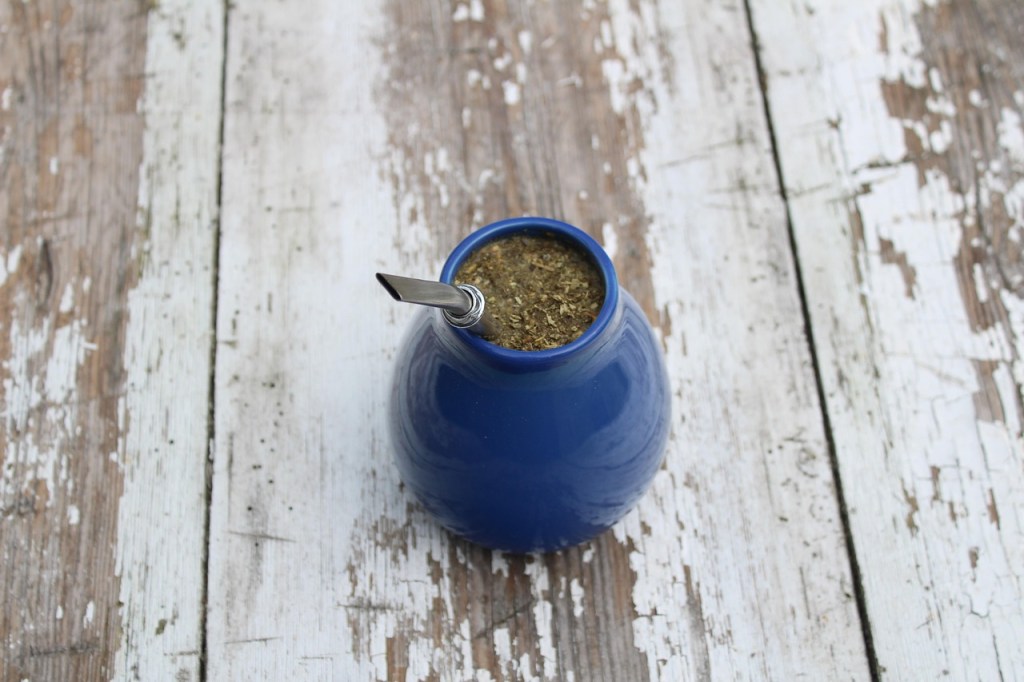
I was interested to learn that the Yaupon Holly (Ilex vomitoria) is the only caffeinated plant Native to North America and was a widely used by not only the Native Americans, but also by the Europeans who settled here. There are theories as to why it fell out of favor, the main one having to do with the naming of the plant by the royal botanist to King George III ( I mean you can tell what he was implying without knowing Latin). It could be he had ties to East India Company and wanted to control the tea trade like I read on Lost Pines Yaupon, but who knows… maybe the whole thing started when coffee came into the picture. Either way, if you are looking to an alternative for your morning pick-me-up, give Yaupon tea a try!
Where holly grows best and how it spreads
Hollies are adaptable. Ilex aquifolium prefers temperate climates (mild winters, cool summers), acidic, well-draining soils, and partial shade to full sun. In gardens, they’re often planted in spring or fall; once established they are hardy and long-lived. For wildlife gardens, hollies offer winter berries that feed birds (though many mammals and humans find the berries unpalatable).
Propagation: you can propagate holly from seed (but seeds often require stratification — a cold period — and seedlings take years to fruit), or more reliably from cuttings. Gardeners commonly use hardwood cuttings dipped in rooting hormone and kept humid until roots form; some species root more easily from semi-hardwood cuttings in late summer. Also note: hollies are dioecious — individual plants are either male or female — so if you want berries, you need at least one male plant near female individuals for pollination.
I hope you liked this deep dive on the Holly and learned a little something you didn’t know before. I know I did! And if you try some Yaupon Tea, be sure to let me know! Hope you have a Holly, Jolly, Christmas!
Here are some other resources I found helpful:
USDA – NRCS – Plant Fact Sheet: American Holly – Prepared By & Species Coordinator:
USDA NRCS Plant Materials Program – Edited: 05Feb2002 JLK; 060801 jsp
Gardeners’ World Magazine – How To Grow Holly – Published: Wednesday, 17 April 2024 at 10:06 am
Interested in my writing journey? You can head here:
All rights reserved, including the right to reproduce, distribute or transmit in any form or by any means. For information about subsidiary rights, please contact the author at saraybooksllc@gmail.com.

 D.A. Henneman - Romance Author